Why half your wardrobe never gets worn
You own plenty of clothes. So why do you keep reaching for the same five things? Colour analyst Pilar Donnelly on the real reason — and what to do about it.
Open your wardrobe and be honest. How much of it do you actually wear?
For most women the answer is somewhere between a third and a half. The rest hangs there — bought with good intentions, worn once or twice, quietly making you feel guilty every morning.
The usual explanation is that we buy badly. We don't. Most of those unworn clothes were perfectly sensible purchases: good fabric, decent fit, a colour that looked lovely on the hanger. The problem is that clothes don't get worn on hangers. They get worn next to your face.
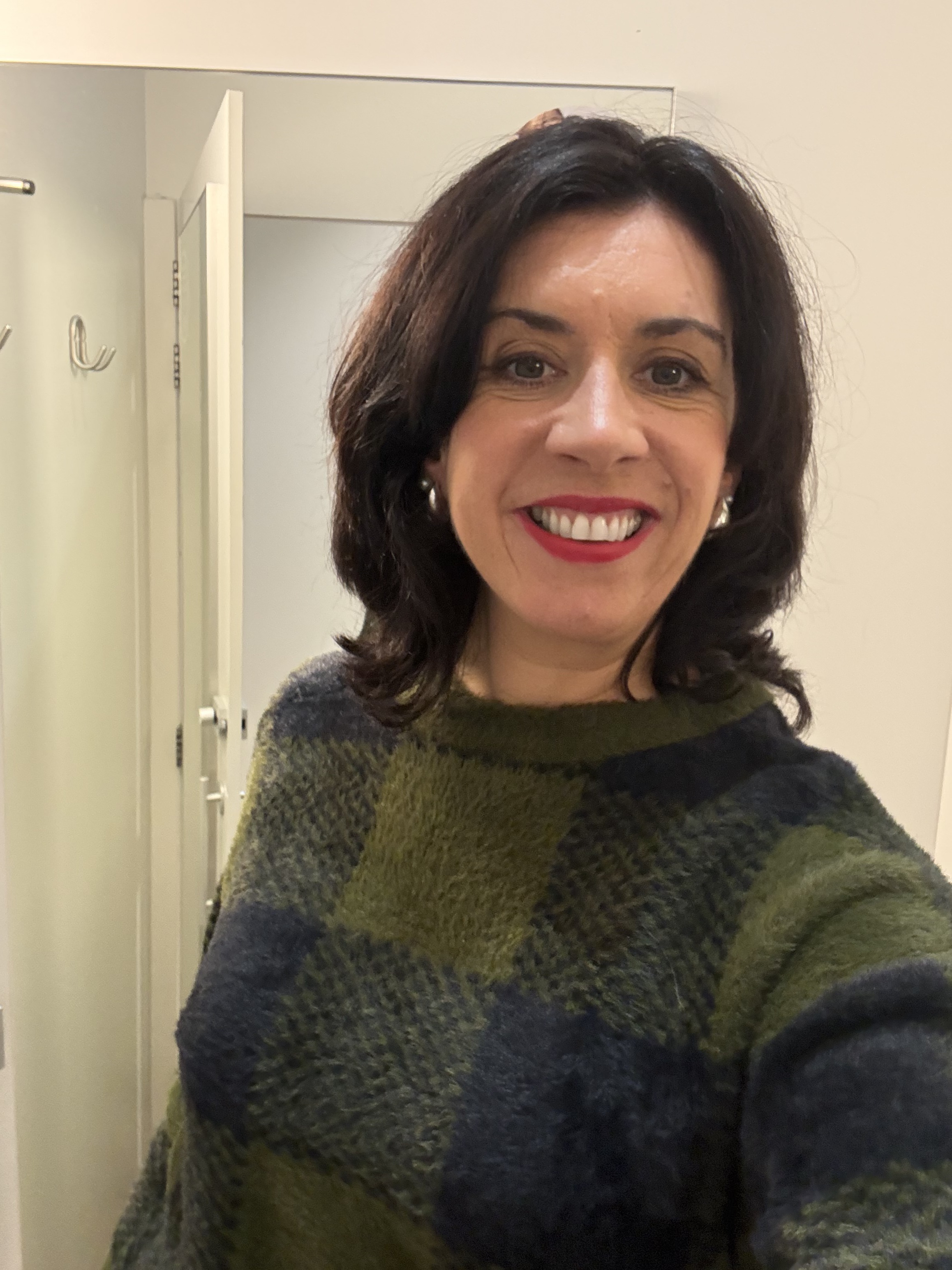
Every colour you put near your face does something to it. The right ones make your skin look clearer, your eyes brighter, and you look like you slept well. The wrong ones cast shadows, pick up redness, and add a tired, washed-out quality that no amount of concealer fixes. You may never have put this into words, but you feel it — which is why that expensive jumper keeps losing out to the same old favourite. The favourite is almost certainly in one of your best colours. The jumper almost certainly isn't.
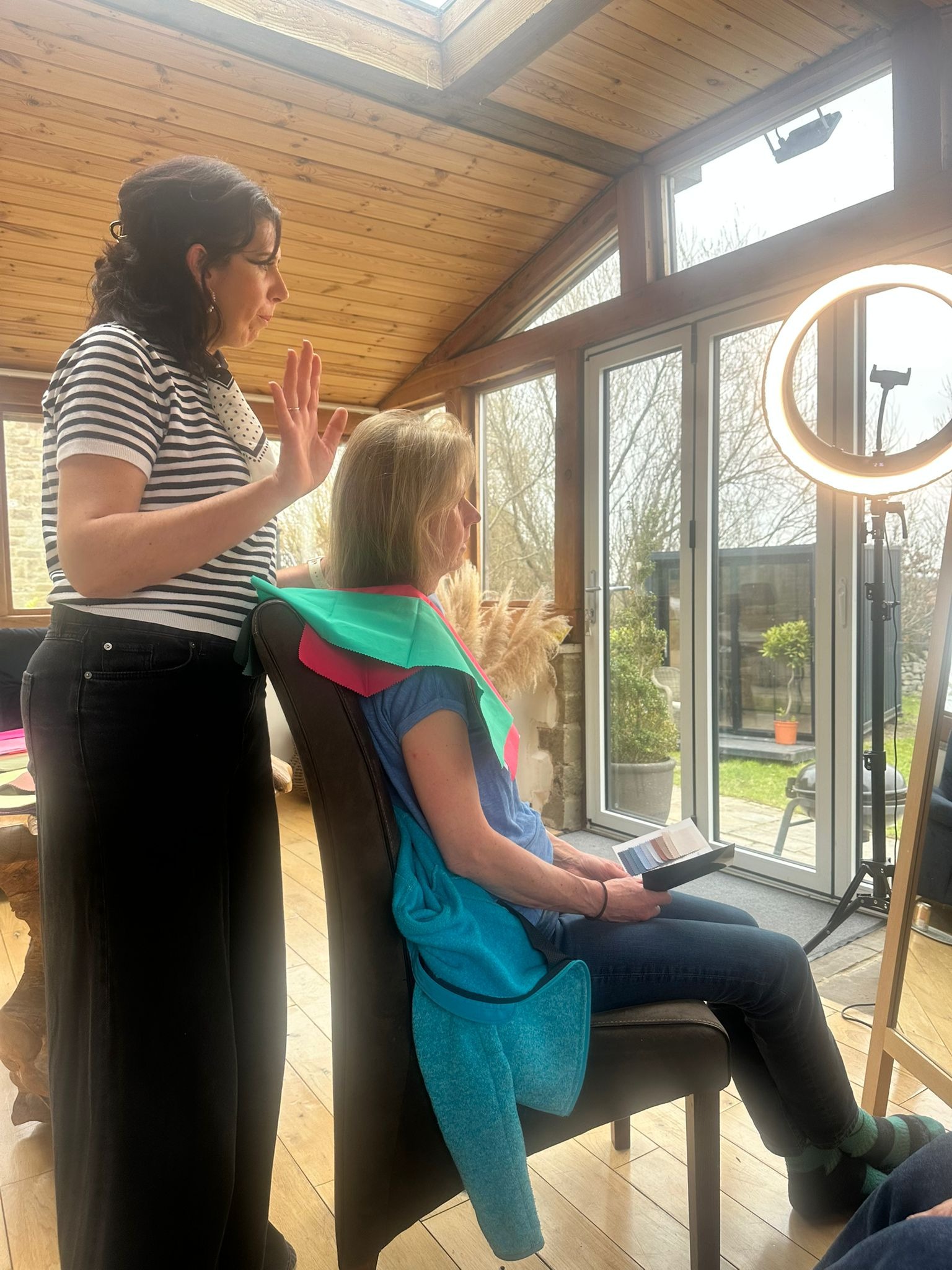
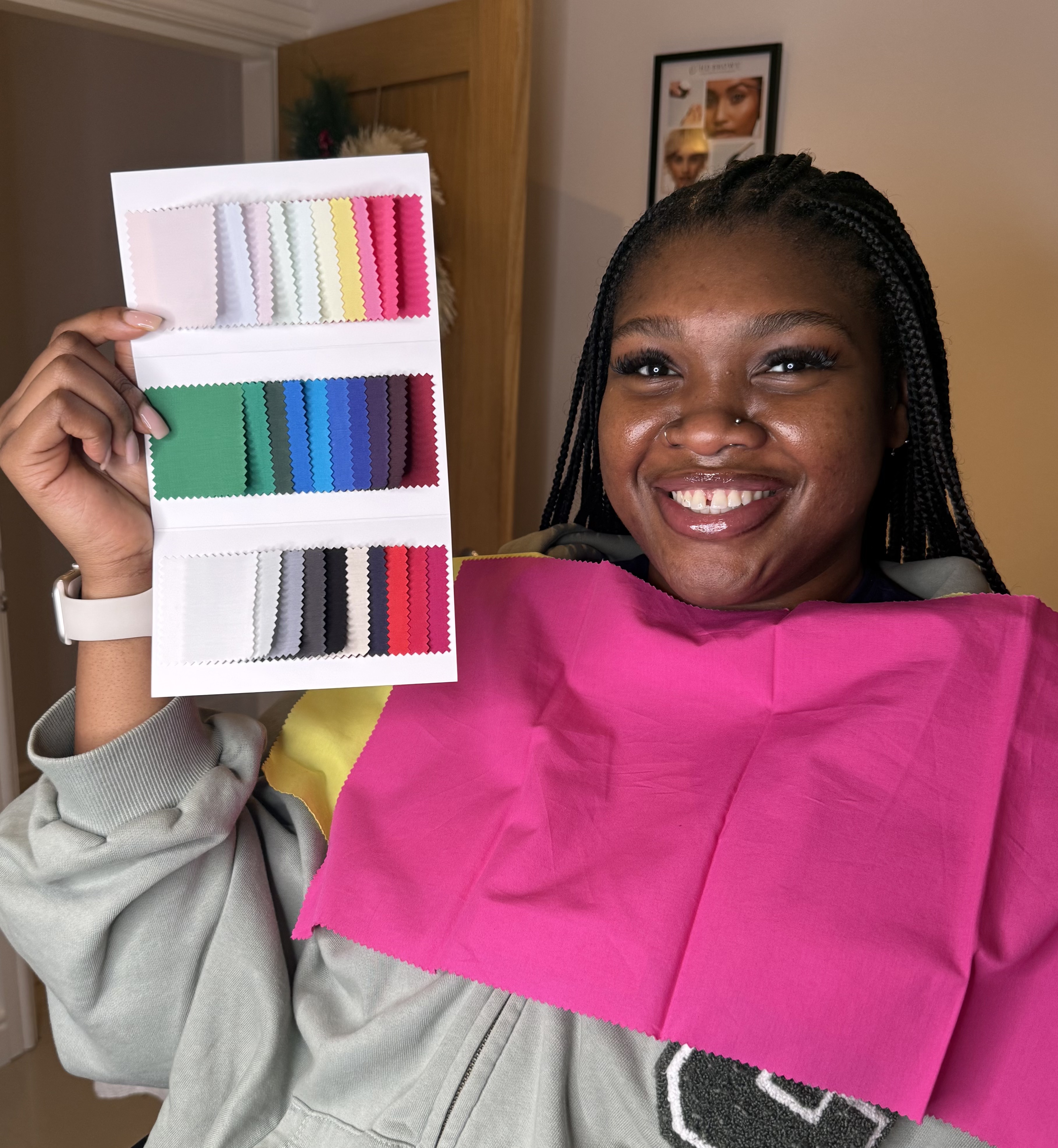
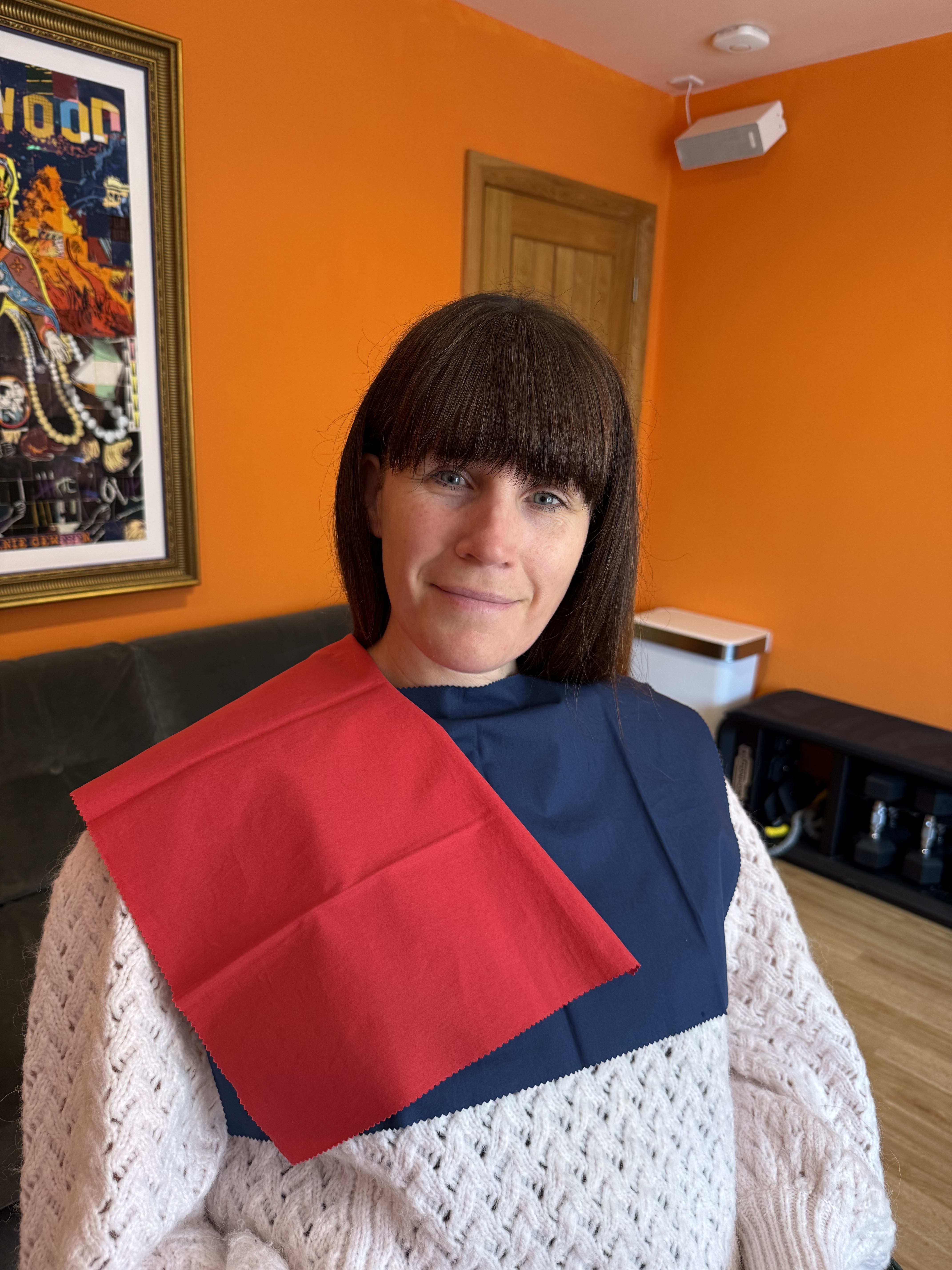
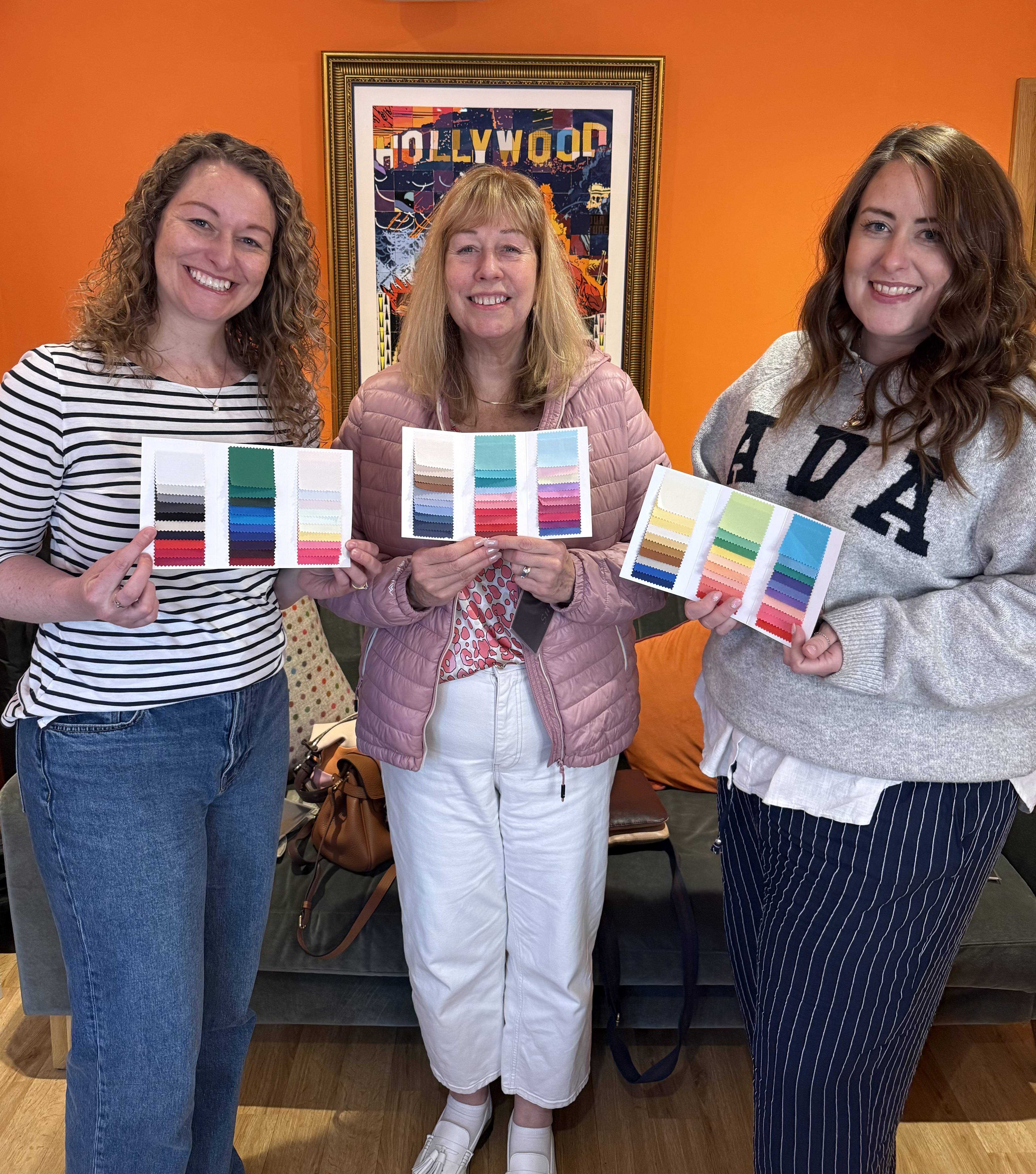
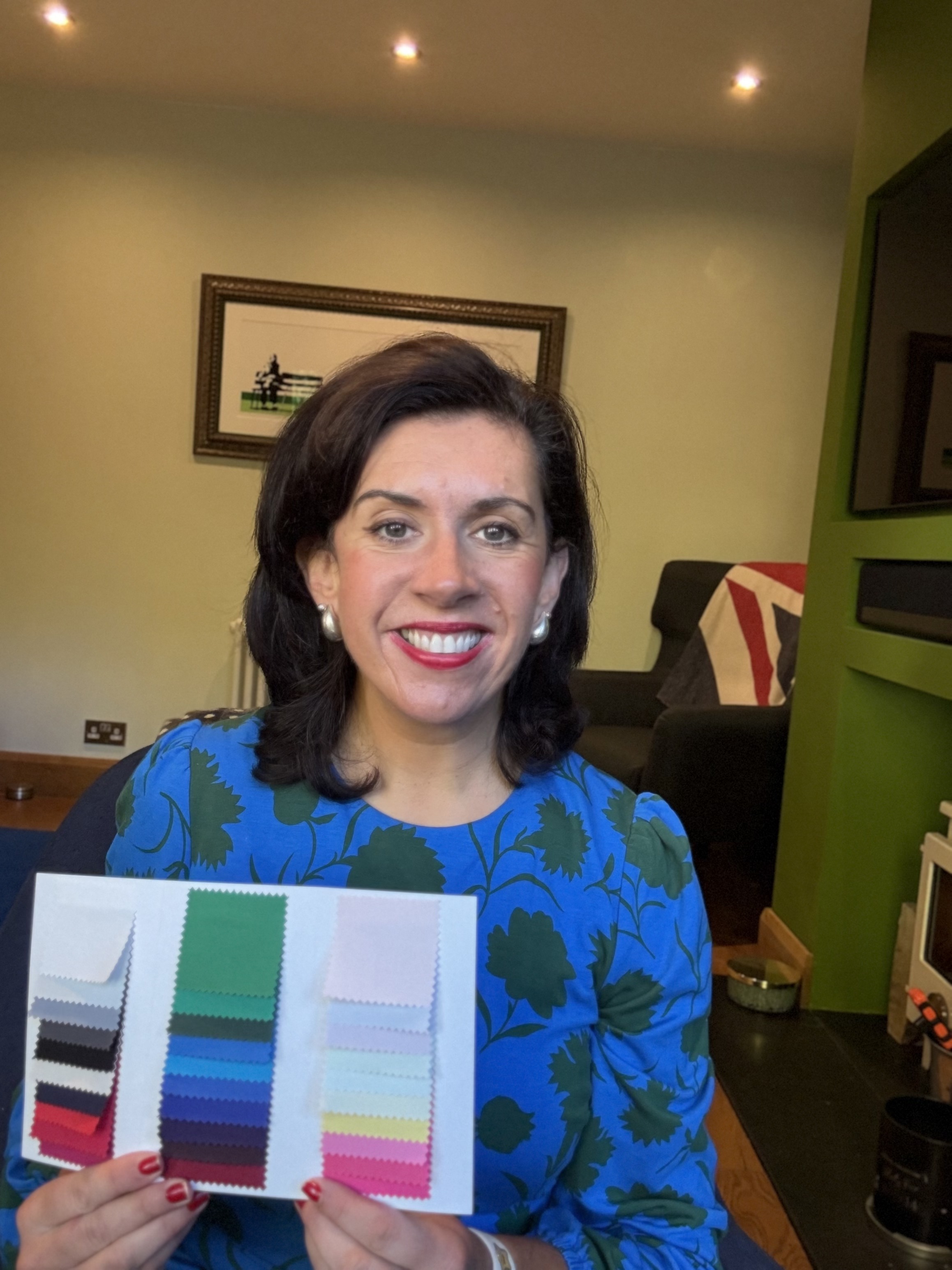
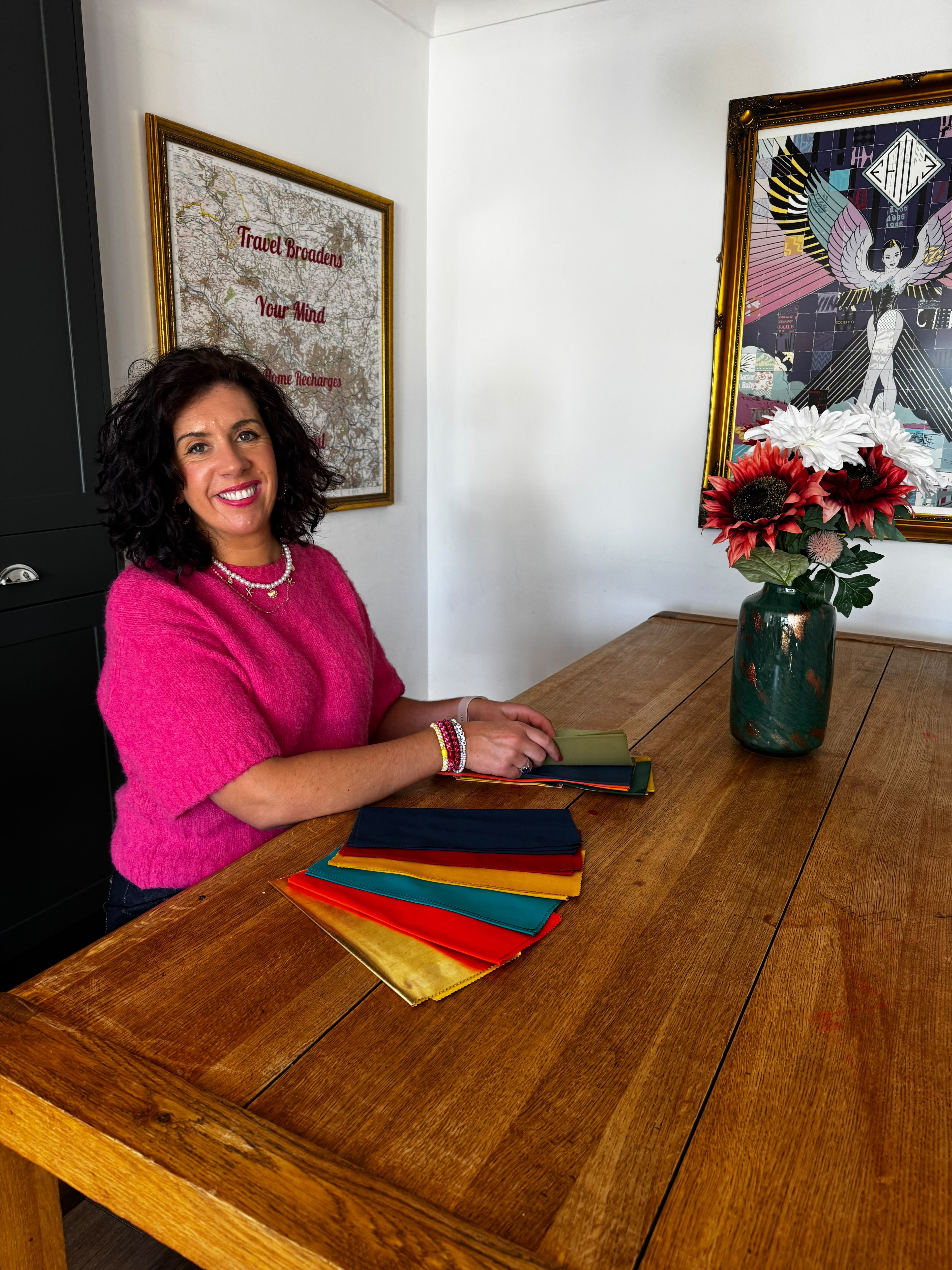
This is what colour analysis actually measures. In a session, I drape dozens of precisely chosen fabric colours under a client's chin, in natural daylight, one after another. The changes are not subtle. Faces visibly light up or shut down as the drapes change, and clients see it happen in the mirror — usually with some disbelief, often with laughter, occasionally with a tear or two. By the end, we know which palette of colours works with her natural colouring rather than against it.
What does that have to do with the overstuffed, underused wardrobe? Everything. Once you know your colours, the mystery of the unworn half solves itself. Those clothes weren't mistakes of taste. They were mistakes of chemistry — fine garments in colours that were never going to flatter you, bought because they suited the mannequin, or a friend, or a version of you that doesn't exist.
And the habit changes from that day on. Shopping stops being a lottery. You walk past the rail of colours that will sit in your wardrobe unworn — however beautiful they look on the hanger — and you spend the same money on fewer things you will wear constantly. My clients routinely tell me their clothes spending goes down after a colour analysis while compliments go up. One put it perfectly: "I used to own clothes. Now I own outfits."
If you want to test the idea before going anywhere near an analyst, try this at home. Take the three things you wear most often and the three things you never wear, and hold each one under your chin in front of a mirror, in daylight, with no make-up on. Watch what each colour does to your face — not whether you like the colour, but what it does to you. For most women, a pattern appears within minutes. The favourites flatter. The strangers don't.
That pattern has been there all along, hiding in plain sight in your wardrobe. Colour analysis simply gives it a name — and once it has a name, getting dressed becomes the easiest part of your day.